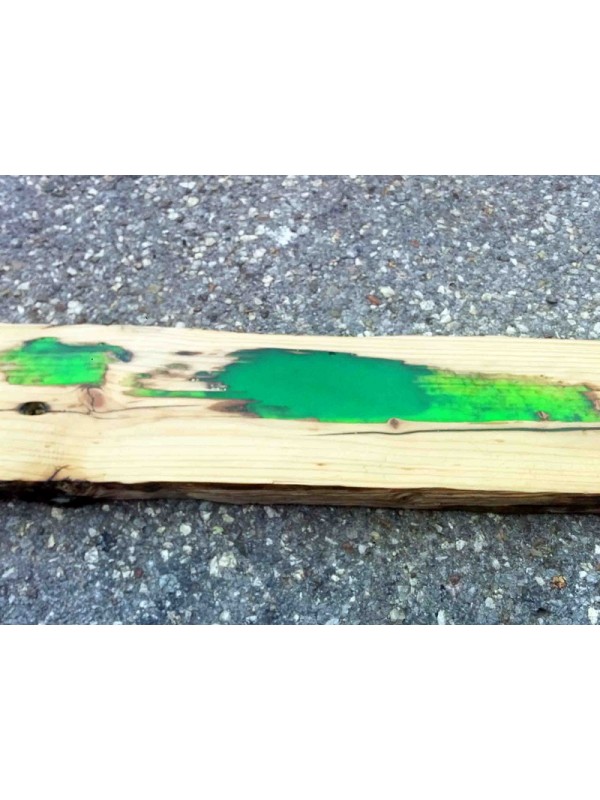
VIWOOD resin for making COLORED composites 10 kg + 5 kg

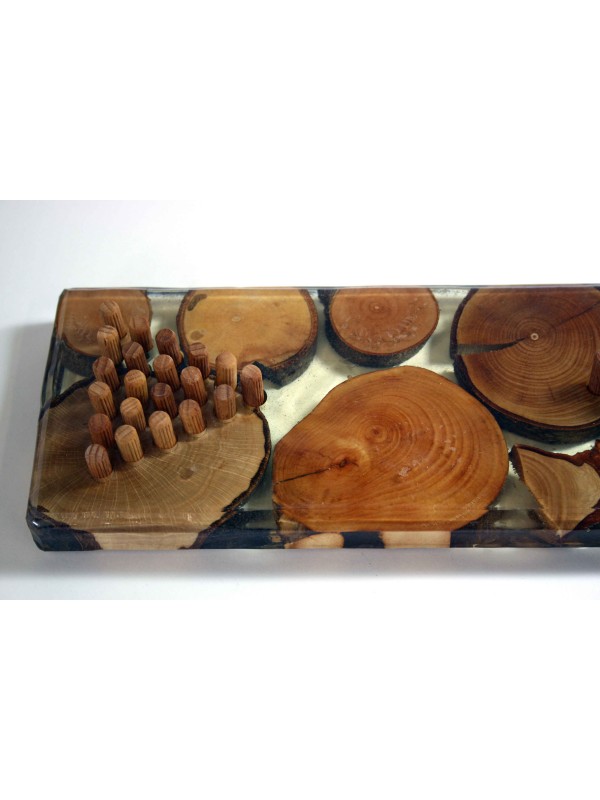
VIWOOD is a two-component low-viscosity casting resin, suitable for filling cracks in wood and making attractive wood and resin composites, jewelry, furniture, tools, and more.
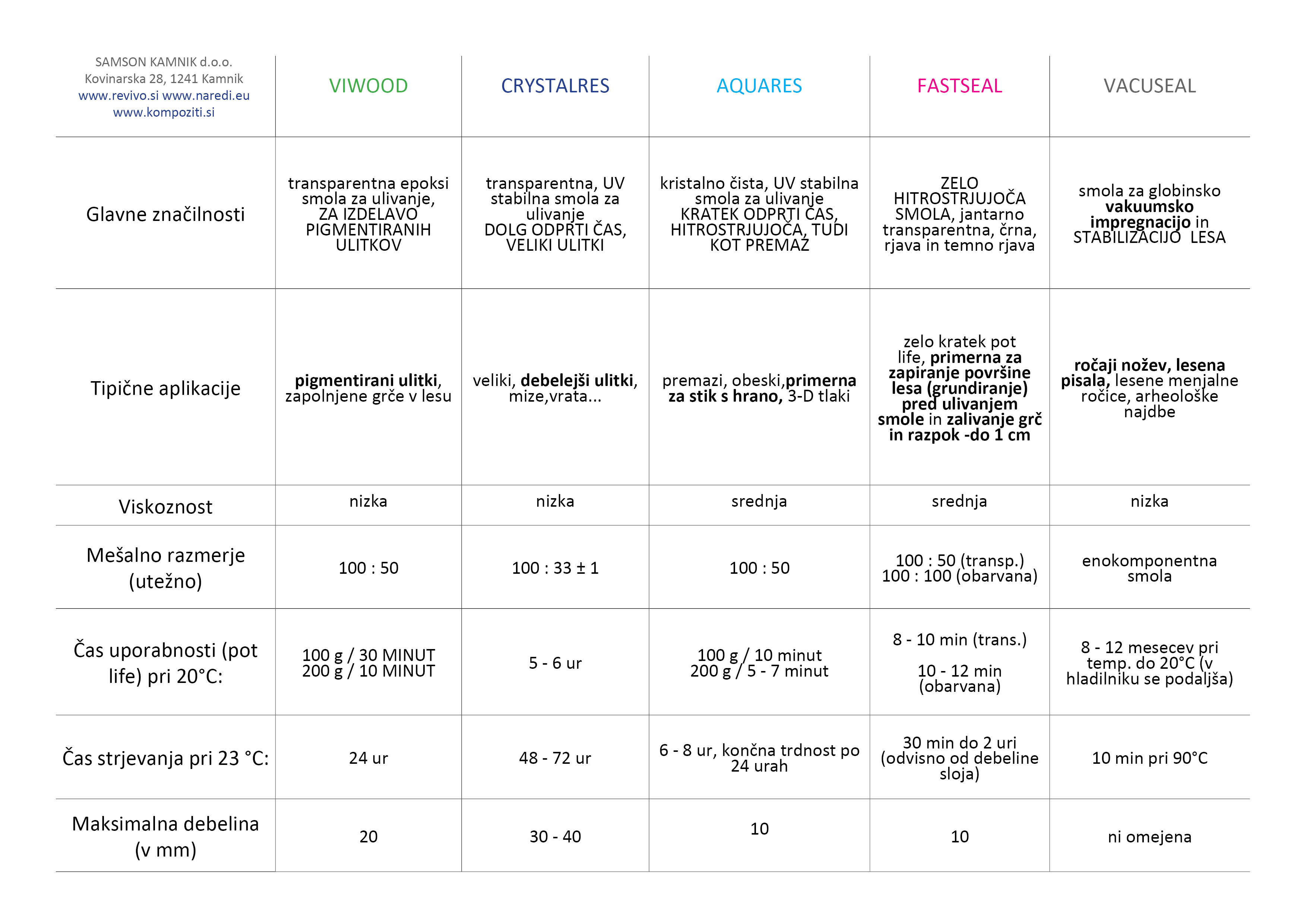
All our resins (except VACUSEAL) can be colored with:
1. KOLORO EPO pastes (excellent UV resistance, opaque or transparent color, easy mixing)
2. KOLORO liquid dyes (lower UV resistance, suitable for indoor use, excellent transparency)
3. VIVAT powdered pigments (excellent UV resistance, opaque or transparent color )
(VIVAT natural earths or VIVAT oxide pigments or VIVAT organic pigments)
4. EFFECT powdered pigments (pigments for special effects in resin)
FLIP FLOP pigments (different colors at different angles)
GLITT glitter (our series of glitters)
MAGNETIC pigments (magnetic pigments)
METALLIC pigments (metal powder for a metallic look)
NEON fluorescent pigments (fluoresce in daylight, very vivid colors)
PEARL pigments (pigments with a pearlescent effect, endless color combination possibilities with VIVAT pigments and KOLORO liquid dyes)
SIRIUS luminescent pigments (absorb light during the day and glow at night)
UV-LUX pigments (pigments glow under UV light)
FLAKY (colored flakes)
ART SAND (colored sands)
THERMO MAG pigments (change color with temperature changes)
General instructions for working with epoxy resins:
When working with casting resins, it is very important to:
- weigh component A and component B
- use an accurate scale
- wear protective equipment (gloves,...)
- use mixing cups and sticks
- consider the open time and curing time of each resin
CASTING INSTRUCTIONS:
The resin is very liquid and self-leveling, so it needs to be contained or a mold needs to be made. It has very good adhesion to wood, stone, concrete,... so we use silicone molds or coat the surface of the mold made of another material with a release agent.
We consider the recommended maximum thickness for each resin (the exact thickness depends on the type of resin, air temperature (higher temperature means we can pour thinner layers at once), air humidity, shape of the product,...)
COLORING THE RESIN:
The amount of pigment/dye depends on the desired level of coloration and thickness of the product (for thicker layers, less pigment/dye is needed).
Coloring the resin with VIVAT pigments or KOLORO EPO pastes:
For transparent colors, add 0.05 to 0.5% pigment by weight of the resin
For opaque colors, add 2 - 5% pigment by weight of the resin
Always mix the pigment into component A, as this gives us enough time to mix the pigment (be careful not to count the weight of the pigment in the mixing ratio of components A and B).
MIXING INSTRUCTIONS:
Use the resin only at temperatures of 15 degrees Celsius and above.
We weigh the selected amount of component A into a mixing cup, add the correct amount of component B, and mix well (be careful not to incorporate too much air while mixing).
Pour the mixed resin into another cup, scrape the sides of the first cup, and mix well again. By mixing in two steps, we avoid curing issues due to poorly mixed resin. Gently tap the cup on the surface to release air bubbles (bubbles float to the surface).
The working time of the resin (the time available for mixing and pouring) and curing time depend on the type of resin and air temperature.
LATER PROCESSING:
Once the resin is fully cured, it can be sanded and polished. Sanding achieves a uniform height with the wood, while polishing restores the high gloss that is lost during sanding.
EXAMPLE:
We want to pour 150 g of VIWOOD resin in black color.
- We weigh 100 g of component A, add 4 g of VIVAT oxide black pigment, mix well
- add 50 g of component B (at room temperature we have about 20 min to work), mix well
- pour the resin into another cup, mix well again
- gently tap the cup on the surface to release air bubbles
- pour into the prepared mold or board, wait 24 hours for the resin to harden
- sand the surface, first with coarser sandpaper, then with fine water sandpaper
- polish the surface with polishing paste
DANGEROUS
H315 Causes skin irritation.
H319 Causes serious eye irritation.
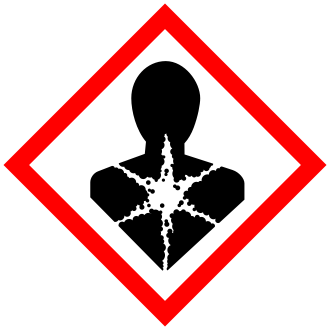
H317 May cause an allergic skin reaction.
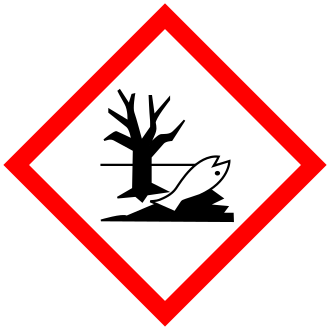
H411 Toxic to aquatic life with long lasting effects.
H302 Harmful if swallowed.
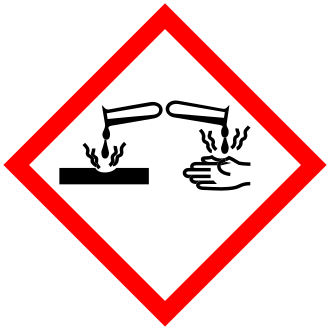
H314 Causes severe skin burns and eye damage.
P102 Keep out of reach of children.
P305 + P351 + P338 IN CASE OF CONTACT WITH EYES: Rinse cautiously with water for several minutes. Remove contact lenses, if present and easy to do. Continue rinsing.
P310 Immediately call the POISON CENTER/doctor/….
P261 Do not breathe dust/fume/gas/mist/vapors/spray.
P273 Prevent release into the environment.